Blog
Read the latest in Beauty News from our professional therapists at Complete Skin & Beauty.

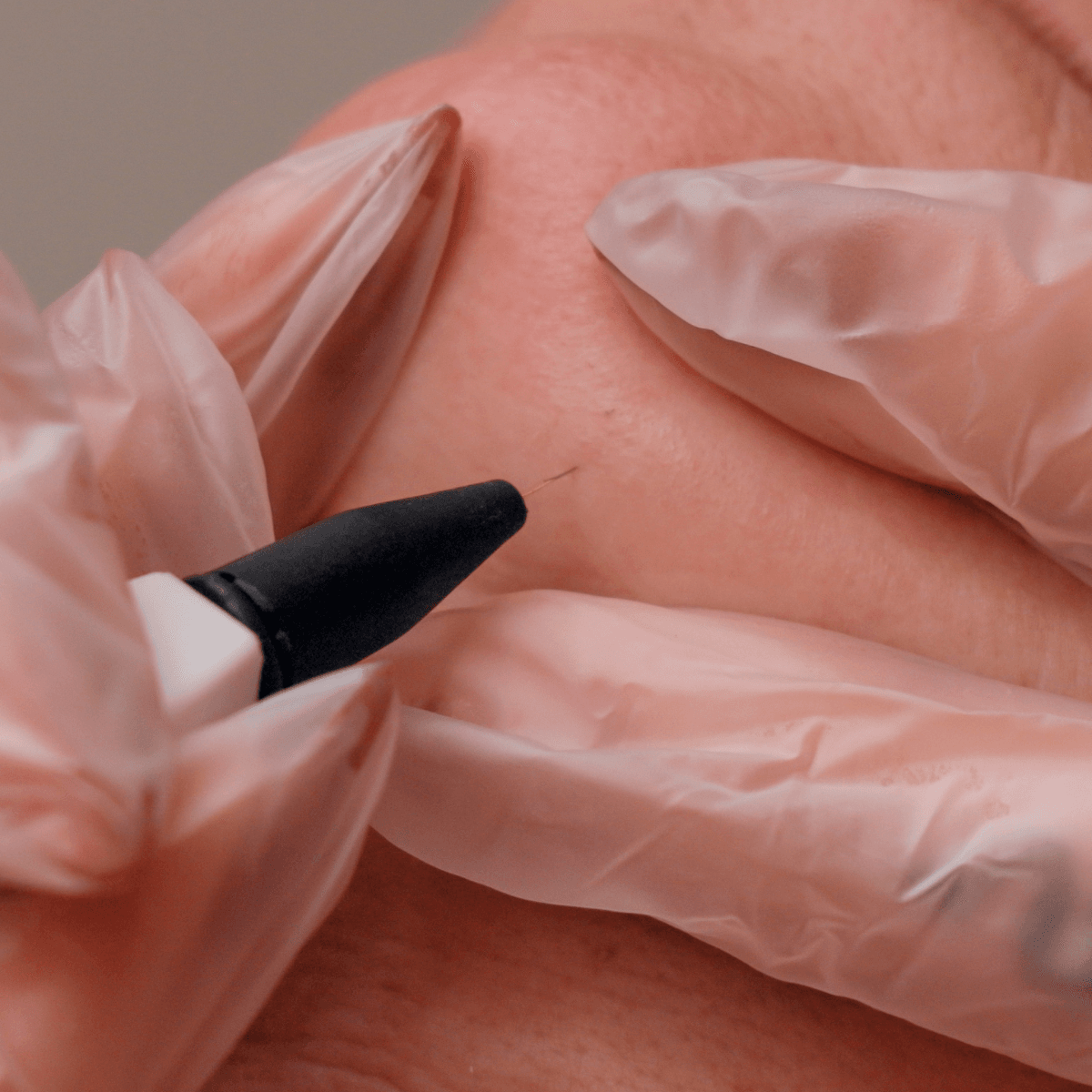
Electrolysis is the only medically recognised method of permanent hair removal available today. Unlike other hair removal treatments, electrolysis is effective on all hair colours, skin tones, and hair types, making it one of the most versatile and inclusive treatment options available.
Electrolysis works by delivering a small electrical current directly into the hair follicle. This process combines electrical energy with heat to permanently disable the follicle’s ability to produce hair.
The electrical current destroys the follicle’s germ and stem cells, while the heat coagulates the blood supply that nourishes the hair. Once the follicle can no longer receive nutrients, it is unable to sustain future hair growth.
For electrolysis to permanently destroy a hair follicle, the hair must be in its active growth stage, known as the Anagen Phase. During this phase, the blood supply remains attached to the follicle, allowing the treatment to effectively target and eliminate the hair at its source.
Hairs treated outside of the Anagen phase may regrow; however, because electrolysis also creates a chemical reaction within the follicle that damages germ and stem cells, any regrowth is often noticeably finer, softer, and lighter.
Proper preparation can significantly improve treatment comfort and results.
Moisturise
Well-hydrated skin allows for smoother and more effective treatment delivery.
Exfoliate
Gentle exfoliation helps remove dead skin cells around the follicle and can assist in releasing ingrown hairs prior to treatment.
Hydrate
Drinking plenty of water before your appointment helps maintain skin hydration and supports overall skin health.
Protect Your Skin
Avoid direct sun exposure prior to treatment, as sun-sensitive skin may become more reactive during the procedure.
Following the correct aftercare is essential to support healing and minimise irritation.
Keep the Area Clean
Maintain a clean and moisturised treatment area to reduce the risk of infection.
Avoid Irritants
Refrain from applying makeup, fragrances, or active skincare products to the treated area for at least 24 hours post-treatment.
Avoid Heat and Sweating
For the first 24–48 hours, avoid heat-based activities such as saunas, hot showers, intense exercise, or anything that may induce excessive sweating.
Wear SPF
Sun protection is essential following electrolysis. Avoid unnecessary sun exposure and apply SPF daily to help prevent pigmentation changes during the healing process.
It is completely normal to experience temporary redness and swelling following electrolysis. This is known as follicular oedema and erythema, and it is a natural inflammatory response to treatment.
Applying a cold compress or ice pack can help minimise discomfort and reduce swelling.
Small scabs may form at the follicular site as part of the healing process. It is extremely important not to pick, scratch, or remove these scabs prematurely, as doing so may increase the risk of scarring.
Because electrolysis creates a controlled wound-healing response within the skin, some individuals may also experience post-inflammatory hyperpigmentation (PIH). This temporary pigmentation is a normal part of healing and can vary greatly between individuals depending on skin type and healing response.
In most cases, PIH gradually fades over time and may take anywhere from approximately 3 to 24 months to fully resolve.
How many sessions will I need?
The number of sessions required varies from person to person. Hair grows in different cycles, and only hairs in the active Anagen phase can be permanently treated at the time of each session. Consistency and regular appointments are key to achieving long-term permanent results.
Will electrolysis work on my hair type?
Yes. Electrolysis is effective on virtually all hair colours, textures, and skin types.
The primary exception is vellus hair, commonly known as peach fuzz. Because these hairs are extremely fine and delicate, electrolysis may be unnecessarily aggressive for this type of hair, increasing the risk of irritation, skin damage, or scarring without providing significant benefit.
Is electrolysis painful?
Electrolysis can cause some discomfort, as each hair follicle is treated individually with a small electrical current. Sensitivity varies depending on the treatment area, individual pain tolerance, hydration levels, and the stage of the menstrual cycle (if applicable). Most clients describe the sensation as a quick heat or pinching feeling.
Is electrolysis safe?
Yes. When performed by a qualified professional, electrolysis is a safe and effective treatment for permanent hair removal. Proper hygiene, correct technique, and appropriate aftercare are essential to minimise irritation and support optimal healing.
Can I shave between treatments?
Yes. Shaving is completely acceptable between appointments and is often recommended if temporary hair removal is needed. However, waxing, plucking, threading, and epilating should be avoided, as these methods remove the hair from the follicle and can interfere with treatment progress.
How long should my hair be before treatment?
The hair should be long enough for the electrologist to grasp comfortably with tweezers. In most cases, approximately 2–3 days of growth is sufficient, depending on the treatment area and hair texture.
Is electrolysis suitable for hormonal hair growth?
Yes. Electrolysis is an excellent option for hormonally stimulated hair growth, including facial hair associated with conditions such as PCOS or menopause. However, ongoing hormonal changes may stimulate new follicles over time, meaning maintenance treatments may occasionally be required.
Can electrolysis be performed on tattoos?
Yes, electrolysis can generally be performed over tattooed skin because the treatment targets the hair follicle rather than pigment within the skin. However, treatment intensity and skin response should always be assessed carefully.
How soon will I see results?
Some hairs are permanently treated immediately, while others may require multiple treatments depending on the hair growth cycle. Clients typically notice progressively reduced hair density, finer regrowth, and slower hair return over time with consistent treatment.
Why does the hair need multiple treatments?
Hair grows in different cycles, and only hairs in the active Anagen phase can be permanently destroyed during treatment. Because not all hairs are in the same growth stage at the same time, multiple sessions are required to effectively target each follicle during its active phase.
Can electrolysis cause scarring?
When performed correctly and followed with proper aftercare, electrolysis has a low risk of scarring. Picking scabs, excessive sun exposure, improper aftercare, or overtreatment can increase the likelihood of unwanted skin reactions.
Electrolysis remains the gold standard for permanent hair removal, offering a safe, effective solution for all hair colours, skin tones and
most hair types. While achieving permanent results requires patience and consistency, each treatment brings you closer to smoother,
hair-free skin.
At Complete Skin & Beauty, our experienced electrologists provide personalised treatment plans tailored to your unique hair growth
patterns and goals. If you're ready to stop the cycle of temporary hair removal, book a consultation today and
discover whether electrolysis is the right solution for you.
.jpeg)
Leave a Comment or Question