Blog
Read the latest in Beauty News from our professional therapists at Complete Skin & Beauty.

If you’ve ever looked in the mirror and wondered why your acne has cleared but the marks remain, you’re not alone. Pigmentation, redness, and post-acne scarring are some of the most common skin concerns, and they’re often misunderstood.
Firstly, it’s important to understand that these are three different skin concerns, and each requires a different approach.
Pigmentation → Brown or Dark Marks
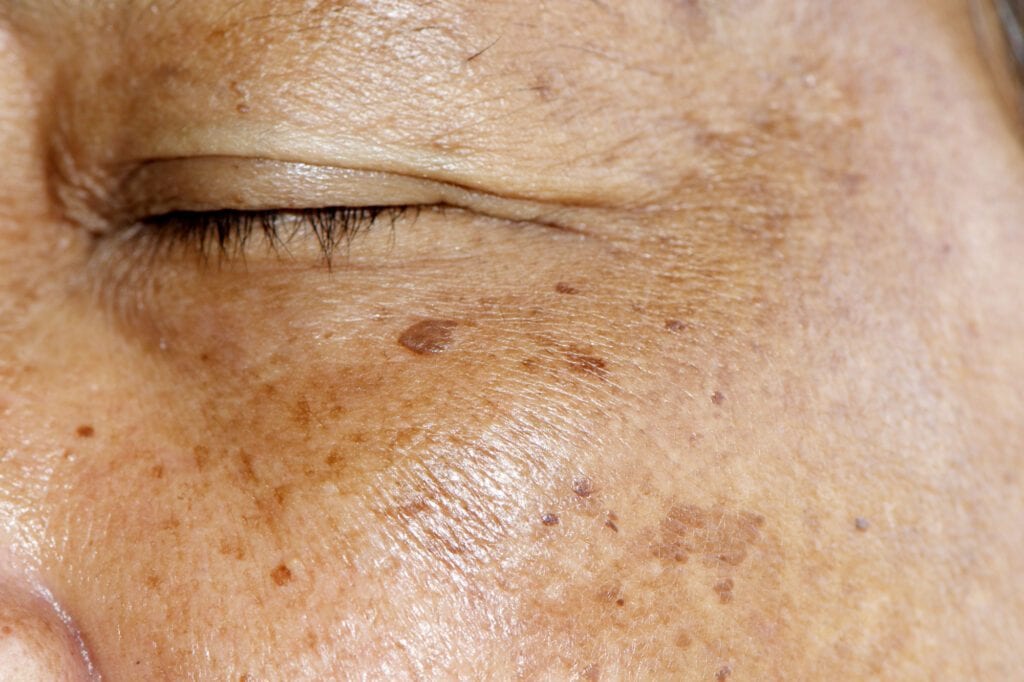
Pigmentation refers to darker areas of skin caused by excess melanin production. Common types include:
Redness → Inflamed or Pink Marks
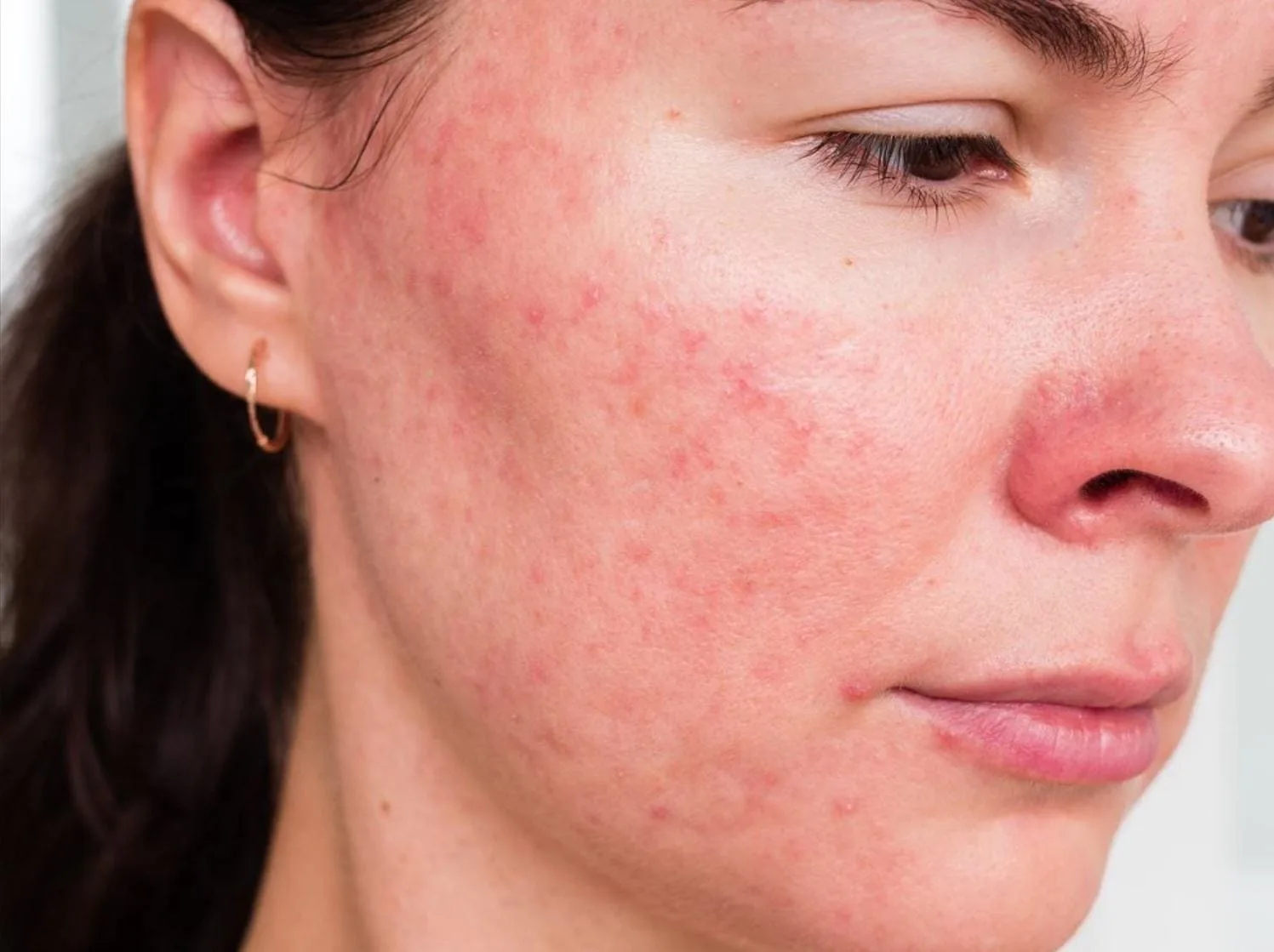
Redness is caused by inflammation or damage to small blood vessels. Common causes include:
• Active acne inflammation
• Broken capillaries
• Rosacea
• Post-inflammatory erythema (PIE), which is the red or pink mark left after acne heals
Post-Acne Scarring → Changes in Skin Texture and Colour
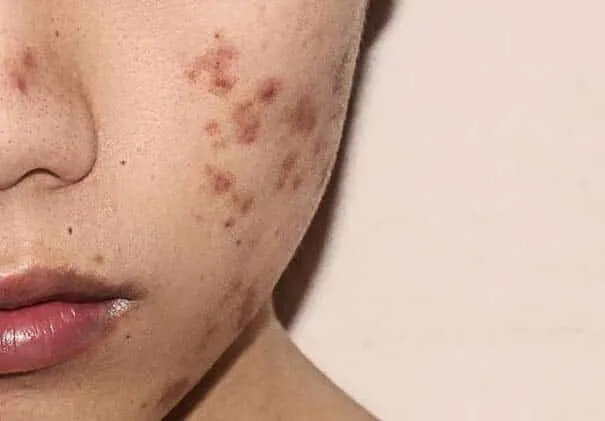
Scarring occurs when acne damages the skin’s collagen structure. This can result in:
It’s important to note that many acne marks are not true scars, but rather temporary discoloration. The good news is that these marks can fade over time with the right treatment and care.
Pigmentation
• Caused by excess melanin production
• Triggered by acne inflammation, sun exposure, and hormonal changes
• Can take time to fade because pigment sits deep within the skin
Redness
• Caused by inflammation or damaged blood vessels
• Often worsened by harsh skincare, over-exfoliation, and heat
Scarring
• Occurs when acne damages collagen (often from picking and squeezing)
• Skincare can improve the appearance of mild scarring
• Deeper scars often require advanced professional treatments
All of these skin concerns can improve, but they require time, patience, and consistency. The foundation of healthy skin always begins with proper daily care and protective habits.
Essential daily habits include:
• Daily sun protection (SPF is non-negotiable—even on cloudy days or indoors)
• Gentle cleansing to remove impurities without damaging the skin barrier
• Avoiding harsh scrubs or over-exfoliation, especially when the skin is inflamed
Protecting the skin prevents existing concerns from worsening and supports the healing process.
For Pigmentation
• Vitamin C – helps brighten and even skin tone
• Niacinamide (Vitamin B3) – regulates pigment production and strengthens the skin barrier
• Retinoids – support cell turnover and improve skin clarity
For Redness
• Niacinamide (low concentrations) – calms inflammation
• Vitamin B5 – supports healing and hydration
• Centella Asiatica – soothes and strengthens the skin
• Green Tea – provides anti-inflammatory benefits
• Ceramides – repair and protect the skin barrier
For Scarring
• Retinoids – stimulate collagen production
• Peptides – support skin repair and strengthening
• Professional treatments such as skin needling, chemical peels, and advanced resurfacing treatments
Introducing too many active ingredients at once can worsen redness and pigmentation. Always introduce new products gradually. Deeper skin
tones are more prone to post-inflammatory hyperpigmentation. Sun protection is essential, and overly aggressive treatments can sometimes
worsen pigmentation.
Pigmentation, redness, and acne marks can feel permanent, but in most cases, the skin can improve significantly with the right care, professional treatments, and consistency.
Healing your skin isn’t about perfection, it’s about progress.
If you’re unsure which treatments or products are right for your skin, we recommend booking a professional skin consultation. Our therapists will assess your skin and create a personalised treatment plan to help you achieve clearer, stronger, and healthier skin.
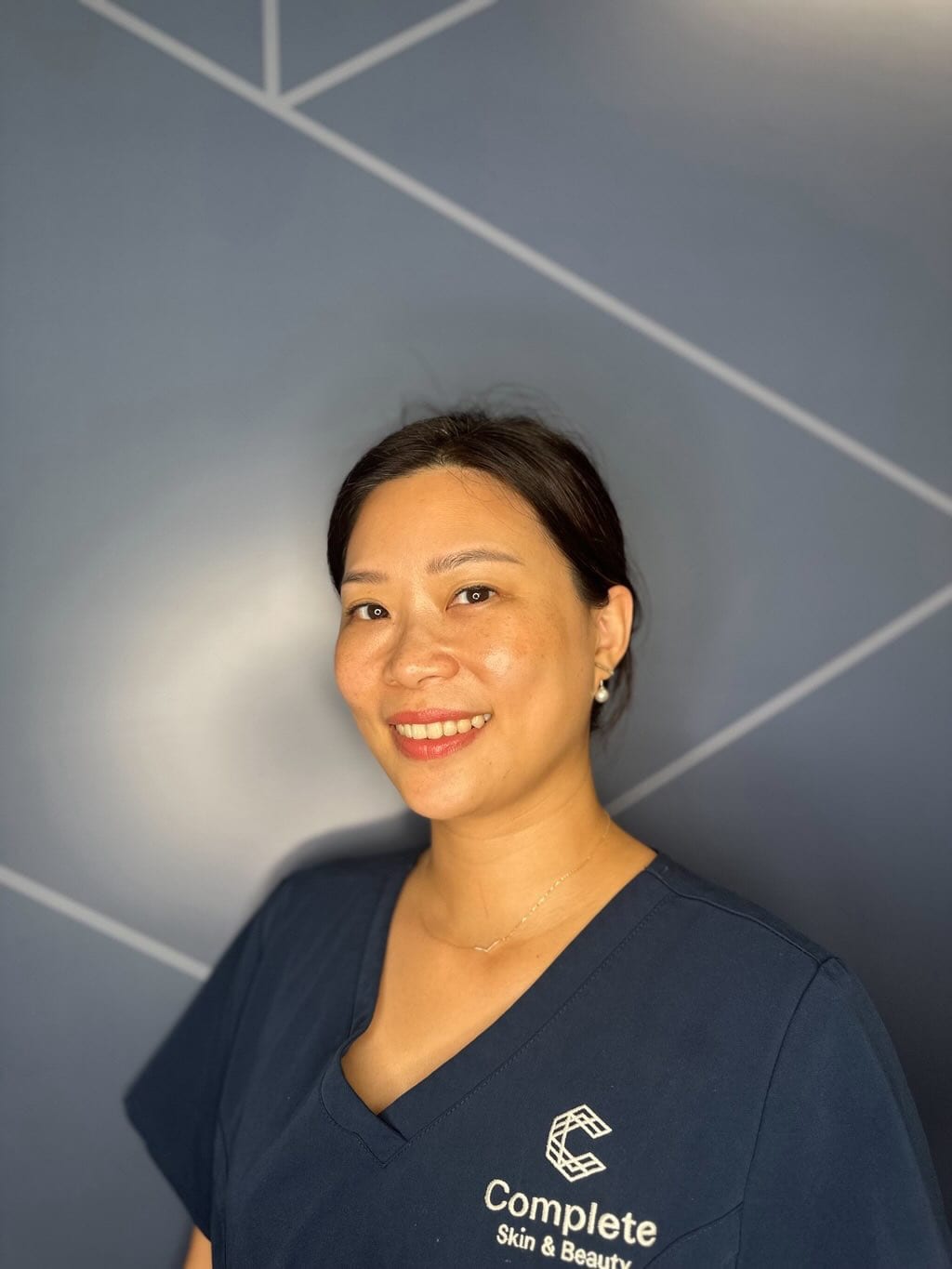
I have been in industry for 4 years. My passion is to help clients enhance their natural beauty to build confidence, and providing the
service that meets results with relaxing experience.
My favorite treatments are skin, lash lift, and brow treatments. My go to skin care ingredient is Hylauronic acid and Vitamin C Serum to
prevent ageing and keep my skin well hydrated.
You will find me spending time with my partner and furbaby - Toffee. We go bush walk, cafes, or camping to enjoy the nature and peaceful
time on the days off.
Ivy
Senior Therapist
Complete Skin & Beauty Mt Gravatt
Leave a Comment or Question