Blog
Read the latest in Beauty News from our professional therapists at Complete Skin & Beauty.

.jpg)
We've all heard the phrase that your skin renews itself every 28 days. But what does that actually mean, and is it true?
Understanding your skin's natural renewal cycle can help explain why skincare takes time, why professional treatments work best as part of a plan rather than a one-off appointment, and why patience is one of the most important ingredients in achieving healthy skin.
Your skin is constantly renewing itself through a process known as cellular renewal or cell turnover.
New skin cells are created in the deepest layer of the epidermis, the Stratum Basale. Over time, these cells gradually move upwards towards the surface. As they travel, they mature, flatten and eventually become the dead skin cells that naturally shed away.
This entire journey is known as the skin cell cycle.
For many healthy young adults, this process takes approximately 28 days. However, this timeline changes throughout life.
As we age, cell turnover naturally slows. By your 30s and 40s, the cycle may take around 40 to 45 days, and in mature skin it can take 60 days or even longer. Environmental damage, stress, poor sleep, certain medical conditions and lifestyle factors can also slow the renewal process.
.jpg)
The skin cycle can be simplified into four stages:
Fresh cells are produced deep within the Stratum Basal layer of the epidermis through continuous cell division.
Over the following weeks, these new cells gradually migrate upwards while producing proteins such as keratin, helping to strengthen the skin's protective barrier.
Once they arrive at the outermost layer, the Stratum Corneum. the cells are no longer living. These dead skin cells form part of your skin barrier, protecting against moisture loss, bacteria and environmental damage.
Eventually, these cells are shed through a natural process called desquamation, making room for the next generation of healthy skin cells.
This cycle repeats continuously throughout your life.
Healthy cell turnover keeps your skin looking brighter, smoother and more even.
When the process slows down, dead skin cells remain on the surface for longer. This can contribute to:
While slowing turnover is completely normal, supporting the skin's natural renewal process can help maintain healthier, more radiant skin.
One of the most common misconceptions about skincare is expecting dramatic changes after a single treatment.
The reality is that many skin concerns develop over months or even years. Your skin needs time to create new, healthier cells before visible improvements appear.
For example:
This is why professional skin treatments are rarely designed as "one and done" solutions.
Each professional treatment encourages your skin in a different way, but your skin still follows its own biological timetable.
Rather than trying to force faster results, treatments work by supporting your skin's natural renewal process over multiple cycles.
Think of it like going to the gym.
One workout won't completely transform your fitness. It's the consistent effort over weeks and months that creates lasting change. Your skin works in much the same way.
Regular treatments allow each appointment to build upon the previous one, producing more noticeable and longer-lasting improvements.
At Complete Skin & Beauty, many of our treatments are designed to encourage healthy skin function and support natural cell turnover.
Professional chemical peels gently exfoliate the outer layers of the skin, helping remove built-up dead skin cells while encouraging fresh, healthy skin to emerge. They can improve texture, brightness, pigmentation and acne concerns when performed as part of a treatment plan.
Skin needling creates controlled micro-channels within the skin, stimulating the body's natural healing response. This encourages collagen production and supports healthier skin renewal over the following weeks and months.
LED Light Therapy works differently from exfoliating treatments. Rather than removing skin cells, specific wavelengths of light help support cellular activity, skin repair and collagen production while reducing inflammation. It's an excellent treatment to complement many other skin therapies.
Combining treatments such as microdermabrasion with professional peels provides both physical and chemical exfoliation to refine skin texture and encourage healthy cell turnover.
Korean Spicule treatments create microscopic pathways within the skin using naturally derived bio-spicules. This stimulates the skin's renewal processes while promoting smoother texture, improved clarity and collagen production over time.
While this treatment doesn't directly increase cell turnover, Lymphatic Enzyme Therapy supports healthy skin function by improving circulation, encouraging lymphatic drainage and creating an optimal environment for healthy skin regeneration.
Every person's skin cycle is different.
Age, hormones, genetics, sun exposure, medications and your individual skin concerns all influence how quickly your skin renews itself and which treatments will be most effective.
That's why the most successful treatment plans are personalised rather than following a one-size-fits-all approach.
Whether your goal is brighter skin, reducing pigmentation, managing acne, softening fine lines or improving skin health, your therapist can recommend a treatment schedule that works with your skin's natural renewal cycle, not against it.
Your skin is always working behind the scenes, renewing itself one cell at a time. While the often-quoted 28-day skin cycle is a useful guide, the reality is that skin renewal varies from person to person and naturally slows with age.
The most effective skincare isn't about chasing instant results. It's about supporting your skin consistently through professional treatments, quality home care and realistic expectations.
When you work with your skin's natural cycle, rather than expecting overnight change, you're far more likely to achieve healthy, long-lasting results.
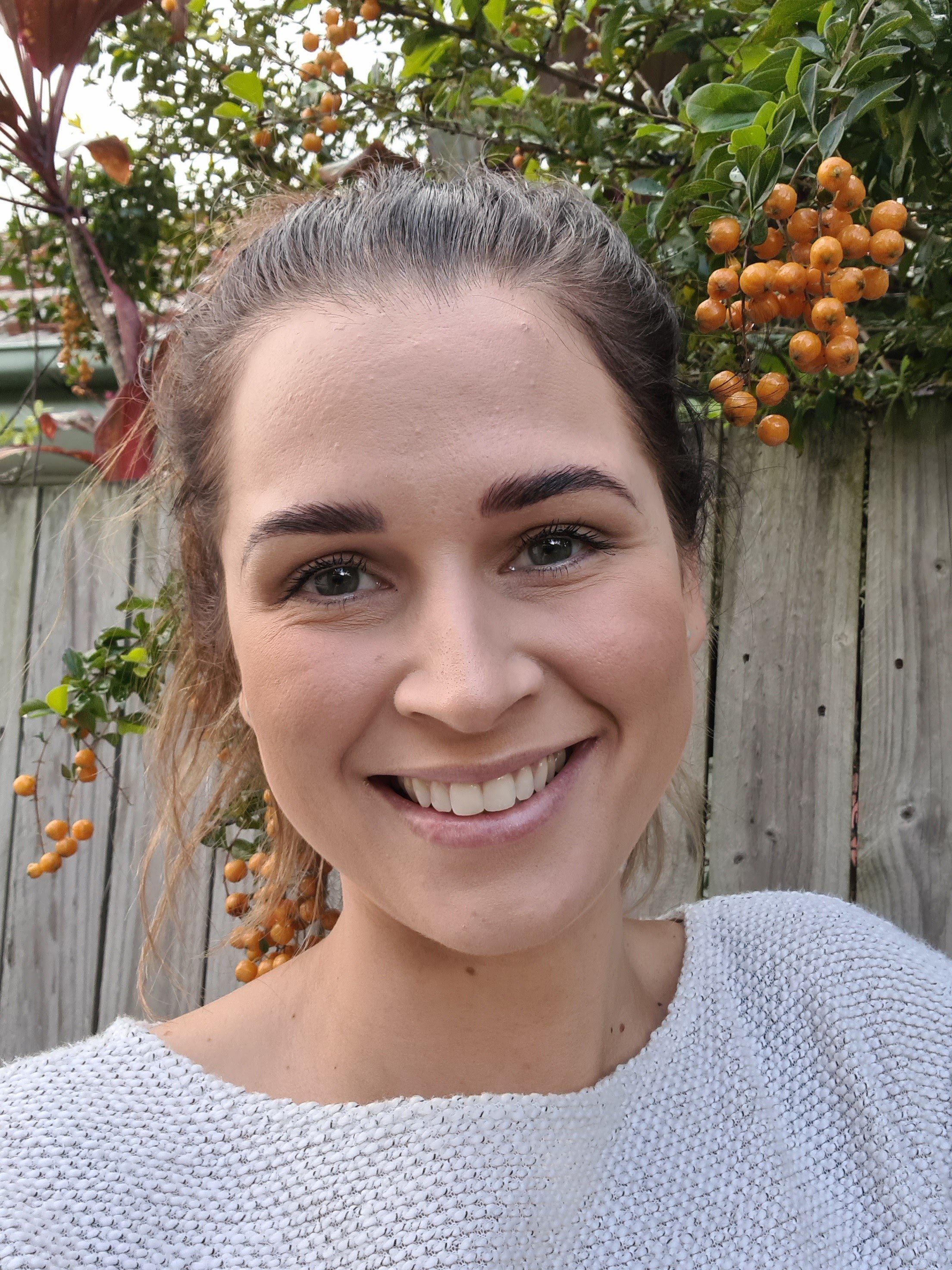
Being in the beauty industry for over 13 years, Maree brings a wealth of experience and knowledge to Complete Skin & Beauty. She is passionate about education and takes advantage of various marketing platforms to pass on her knowledge to clients and the public. She loves all things health and beauty, so promoting the many treatments and products that Complete Skin & Beauty has to offer is a rewarding experience. She is a firm believer in engaging in self-care routines for her physical and mental health so that she can be the best version of herself to all those around her.
Maree
Marketing and Social Media
Complete Skin & Beauty
Leave a Comment or Question